


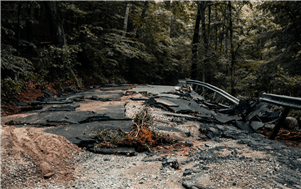
In this interview, Stimpfl states how climate change and variability has altered the nature and frequency of natural disasters. From heatwaves to floods and hailstorms, damages for insurance companies have significantly risen. Stimpfl highlights the shift in focus from individual, isolated events to comprehensive regional impacts, resulting in higher damage potential and increased payout amounts.
The insurance gap in Italy, particularly concerning natural events, is another central theme in the article. Stimpfl points out that only five percent of damages caused by weather events in Italy are insured, representing a significant lack if compared to other European countries. Companies are more inclined to insure against natural disasters, while private individuals often rely only on government assistance.
The rising damage sums and increased frequency of extreme weather events could lead to an adjustment of insurance premiums. However, Stimpfl emphasizes that the majority of South Tyroleans will still be able to afford policies in the future. Nevertheless, premiums might increase in the medium to long term to accommodate the rising costs for insurance companies.
The planned mandatory insurance against weather-related damages in Italy, as outlined in the draft budget for 2024, could be a response to the current challenges. This measure aims to obligate companies to take out insurance, in attempt to cover damages caused by natural disasters.
In conclusion, Stimpfl predicts that risk prevention will play a more significant role in the future. Insurance companies may increasingly demand proactive measures in damage prevention, and builders - as well as property owners - will be required to invest more in preventive measures to protect themselves from the consequences of extreme weather events. The focus will shift from a simple "risk transfer" to heightened efforts in damage prevention, with policyholders also called upon to contribute to the process.
The insurance gap in Italy, particularly concerning natural events, is another central theme in the article. Stimpfl points out that only five percent of damages caused by weather events in Italy are insured, representing a significant lack if compared to other European countries. Companies are more inclined to insure against natural disasters, while private individuals often rely only on government assistance.
The rising damage sums and increased frequency of extreme weather events could lead to an adjustment of insurance premiums. However, Stimpfl emphasizes that the majority of South Tyroleans will still be able to afford policies in the future. Nevertheless, premiums might increase in the medium to long term to accommodate the rising costs for insurance companies.
The planned mandatory insurance against weather-related damages in Italy, as outlined in the draft budget for 2024, could be a response to the current challenges. This measure aims to obligate companies to take out insurance, in attempt to cover damages caused by natural disasters.
In conclusion, Stimpfl predicts that risk prevention will play a more significant role in the future. Insurance companies may increasingly demand proactive measures in damage prevention, and builders - as well as property owners - will be required to invest more in preventive measures to protect themselves from the consequences of extreme weather events. The focus will shift from a simple "risk transfer" to heightened efforts in damage prevention, with policyholders also called upon to contribute to the process.